Genetics and Forensic Science: Unlocking the Secrets of DNA Profiling and Forensic Identification
Category : Genetics and Forensic Science |
Sub Category : DNA Profiling and Forensic Identification Posted on 2024-04-07 21:24:53
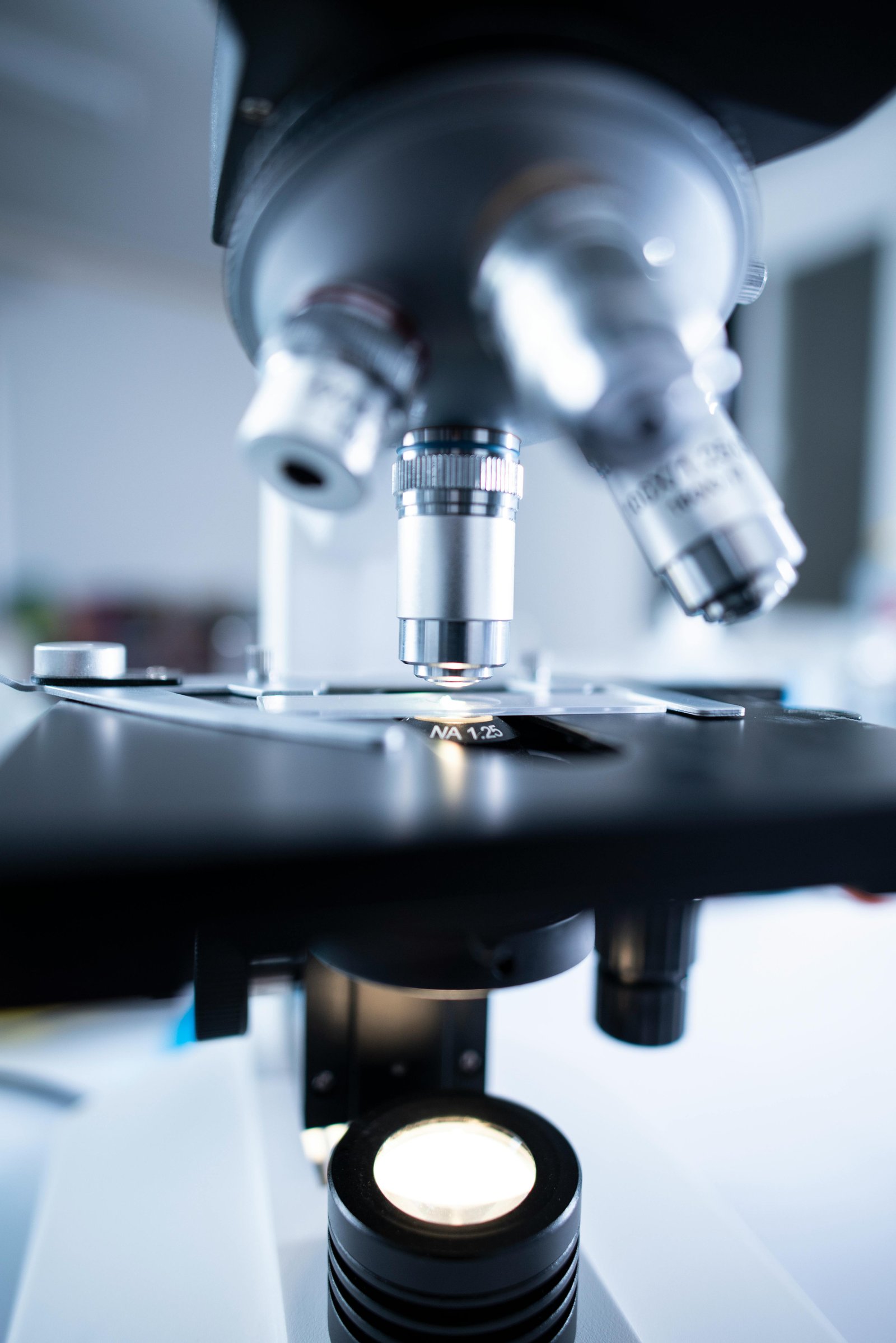
Genetics and Forensic Science: Unlocking the Secrets of DNA Profiling and Forensic Identification
Introduction:
Crime scenes often hold valuable clues that can help bring criminals to justice. From fingerprints to footprints, these physical clues have played a crucial role in forensic investigations for decades. However, another powerful tool in the arsenal of forensic scientists is DNA profiling. This scientific method has revolutionized forensic identification, providing an unprecedented level of accuracy and reliability in linking suspects to crime scenes. In this article, we will delve into the world of genetics and forensic science, exploring the fascinating field of DNA profiling and its impact on solving crimes.
What is DNA Profiling?
DNA profiling, also known as DNA fingerprinting, is a method used to identify individuals based on their unique genetic makeup. Each person's DNA is like a blueprint, containing specific sequences of nucleotides that are distinct to them. Forensic scientists focus on regions of the DNA molecule that display high levels of variation, known as short tandem repeats (STRs). By analyzing these STRs, scientists can create a DNA profile unique to each individual, much like a fingerprint.
The Process of DNA Profiling:
The process of DNA profiling involves several key steps. First, DNA samples are collected from crime scenes, victims, and suspects. These samples can be in the form of bodily fluids, hair, skin cells, or any other biological material. Once collected, the DNA samples are extracted, purified, and amplified using a technique called polymerase chain reaction (PCR). This amplification process allows even a minuscule amount of DNA to be replicated into a sufficient quantity for analysis.
Next, the amplified DNA is subjected to a process called gel electrophoresis, which separates the DNA fragments based on their size. The resulting DNA bands are then visualized, and the pattern of STRs is determined. This pattern is unique to each individual, allowing forensic scientists to compare DNA profiles from different samples and identify matches or exclusions.
Applications in Forensic Identification:
DNA profiling has become an indispensable tool in forensic science. Its applications are wide-ranging, including:
1. Solving cold cases: DNA profiling has played a significant role in solving long-standing cold cases. By re-examining DNA evidence collected years or even decades ago, investigators can now link suspects to crime scenes with unparalleled accuracy.
2. Exonerating the innocent: DNA profiling has been instrumental in exonerating wrongfully convicted individuals. In numerous cases, DNA evidence has proved the innocence of those who were previously convicted based on faulty or misleading evidence.
3. Identifying victims: In cases where the identity of the victim is unknown, DNA profiling can be used to establish their identity. By comparing DNA profiles of unidentified remains to potential family members, investigators can provide closure to grieving families.
4. Establishing familial relationships: DNA profiling is not limited to identifying individuals. It can also determine familial relationships, such as paternity or bloodline connections. This application has proven invaluable in cases involving missing persons or disputed parentage.
Challenges and Controversies:
While DNA profiling has revolutionized forensic identification, it is not without its challenges and controversies. Some of the key concerns include the possibility of human error, cross-contamination of samples, and potential misuse of DNA databases. It is essential for forensic scientists and law enforcement agencies to implement strict protocols and ethical guidelines to ensure the integrity of DNA evidence.
Conclusion:
Genetics and forensic science have joined forces to provide an unprecedented level of accuracy and reliability in identifying individuals and linking them to crimes. DNA profiling has revolutionized the field of forensic identification, leading to the successful resolution of countless cases and the exoneration of wrongfully convicted individuals. As advancements continue to be made, this powerful tool will undoubtedly play an even more crucial role in ensuring justice is served.


