Nanotechnology in Medicine: Enhancing Healthcare with Nanoscale Biosensors
Category : Nanotechnology in Medicine |
Sub Category : Nanoscale Biosensors Posted on 2024-04-07 21:24:53
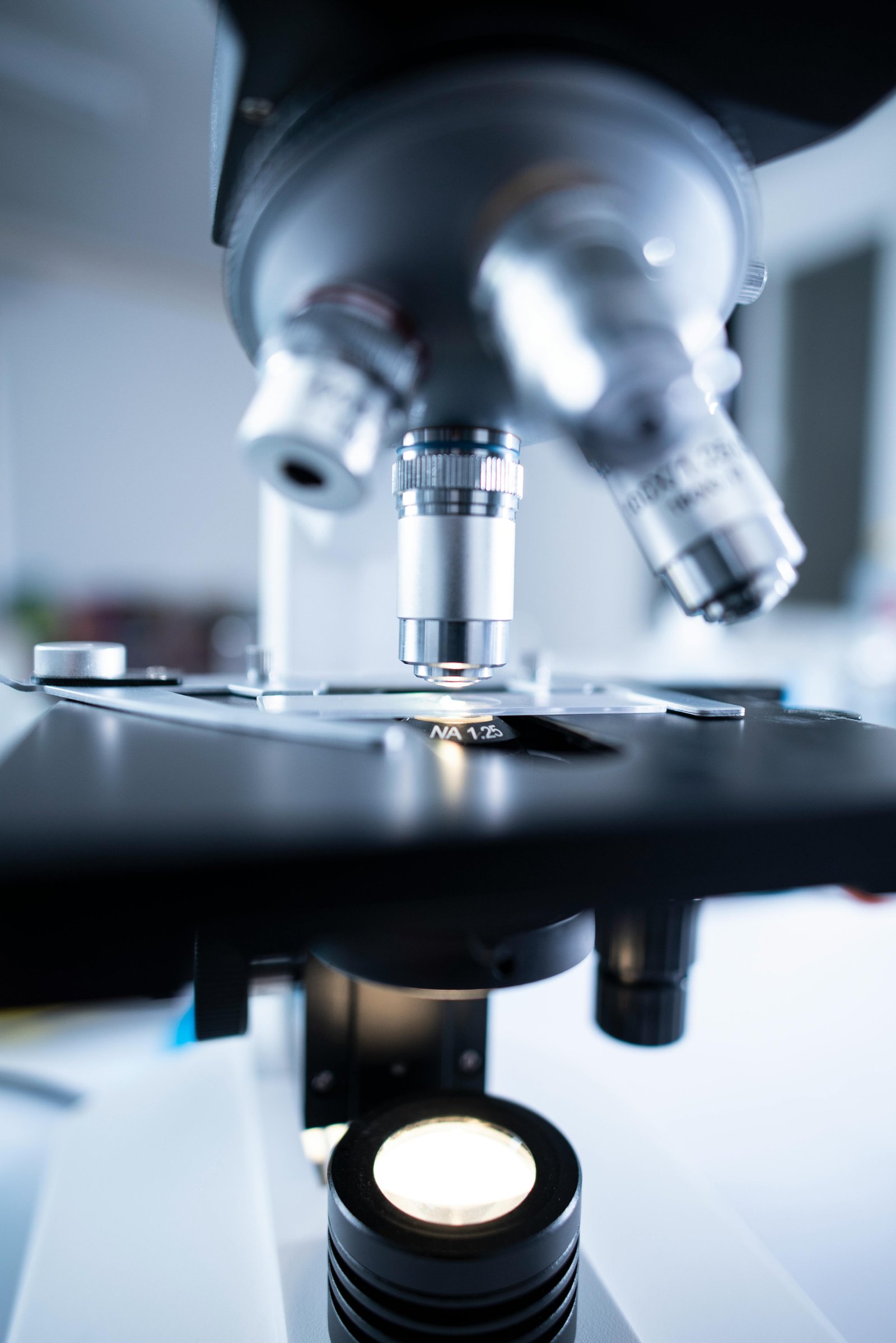
Nanotechnology in Medicine: Enhancing Healthcare with Nanoscale Biosensors
Introduction:
In recent years, nanotechnology has revolutionized various fields, including medicine. One of its groundbreaking applications is the development of nanoscale biosensors, which hold tremendous potential for advancing healthcare. These tiny sensors, often the size of a few nanometers, can detect and monitor biological and chemical entities at an unprecedented level of sensitivity and accuracy. In this article, we will delve into the world of nanotechnology and explore how nanoscale biosensors are transforming medicine.
Understanding Nanoscale Biosensors:
Nanoscale biosensors are composed of nanostructures, such as nanoparticles or nanowires, functionalized with specific biomolecules or receptors. These engineered structures enable the detection and measurement of various parameters within the human body, such as ions, proteins, enzymes, and even single cells. By translating biological information into electrical or optical signals, nanoscale biosensors provide real-time, non-invasive monitoring of disease progression, drug efficacy, and overall health status.
Applications in Disease Diagnosis:
The ability of nanoscale biosensors to identify specific biomarkers allows for early and accurate diagnosis of diseases. For instance, these biosensors can detect specific proteins or genetic markers present in the bloodstream, providing early detection of cancer, infectious diseases, and even neurodegenerative disorders like Alzheimer's and Parkinson's diseases. With such early diagnosis, healthcare professionals can implement personalized treatment strategies, resulting in improved patient outcomes.
Drug Delivery and Therapeutics:
Another remarkable application of nanoscale biosensors lies in drug delivery and therapeutics. By integrating these biosensors into drug delivery systems, it is possible to monitor drug release, dosage, and efficacy in real-time. This enables healthcare professionals to tailor treatment regimens based on individual patient responses, optimizing therapeutic outcomes and minimizing side effects.
Wearable Biosensors:
Nanotechnology has also opened the door to wearable biosensors, which are becoming increasingly popular in monitoring personal health. These sensors, often in the form of patches or wristbands, can continuously measure various health parameters, ranging from heart rate and blood pressure to glucose levels and chemical imbalances. By providing valuable data in real-time, wearable biosensors empower individuals to proactively manage their health and facilitate early intervention when necessary.
Challenges and Future Directions:
Although nanoscale biosensors hold immense promise, there are still challenges that need to be addressed. Ensuring biosensor stability, maximizing sensitivity, and minimizing interference are areas of ongoing research. Additionally, issues related to biocompatibility and safety must be thoroughly investigated to ensure the widespread implementation of these sensors in clinical practice.
In the future, nanotechnology's potential continues to expand. Researchers are exploring the use of nanoscale biosensors for targeted drug delivery, tissue regeneration, and even bioelectric interfaces for enhanced prosthetics. With continued advancements in nanotechnology, the possibilities seem boundless.
Conclusion:
Nanotechnology's integration with medicine has resulted in remarkable advancements, particularly in the realm of nanoscale biosensors. These sensors promise to revolutionize disease diagnosis, enhance drug delivery, and enable personalized medicine. As research in nanotechnology and biosensors progresses, we can look forward to a future where healthcare becomes more precise, efficient, and patient-centric.


